
ShortwaveSolutions™ Engineering Solutions - UV Light Solutions for Aquatic Invasive Species
Innovative Approach using UV Light to Control Aquatic Invasive Plants
Why are aquatic invasive plants like Eurasian watermilfoil a concern to our water bodies? What are some options to treat and prevent Aquatic Invasive Plants?
Invasive aquatic plants — it doesn’t sound concerning does it? But these invaders have devastating effects on U.S. wildlife and waterways. Invasive species are one of the leading threats to native wildlife. Approximately 42% of threatened or endangered plants and wildlife are at risk primarily due to invasive species. Human health and our economies are also at risk, the impacts of invasive species on our ecosystems and economy cost billions of dollars each year. Commercial and recreational activities depend on healthy waterways. If water ways are aesthetically and biologically undesirable, than in the short term, visitors will seek other areas for recreational activities causing other indirect commercial businesses to suffer as well. In the long term, the cities and towns that host these water bodies will suffer economically. In most cases, property values decrease and commercial businesses suffer economically.
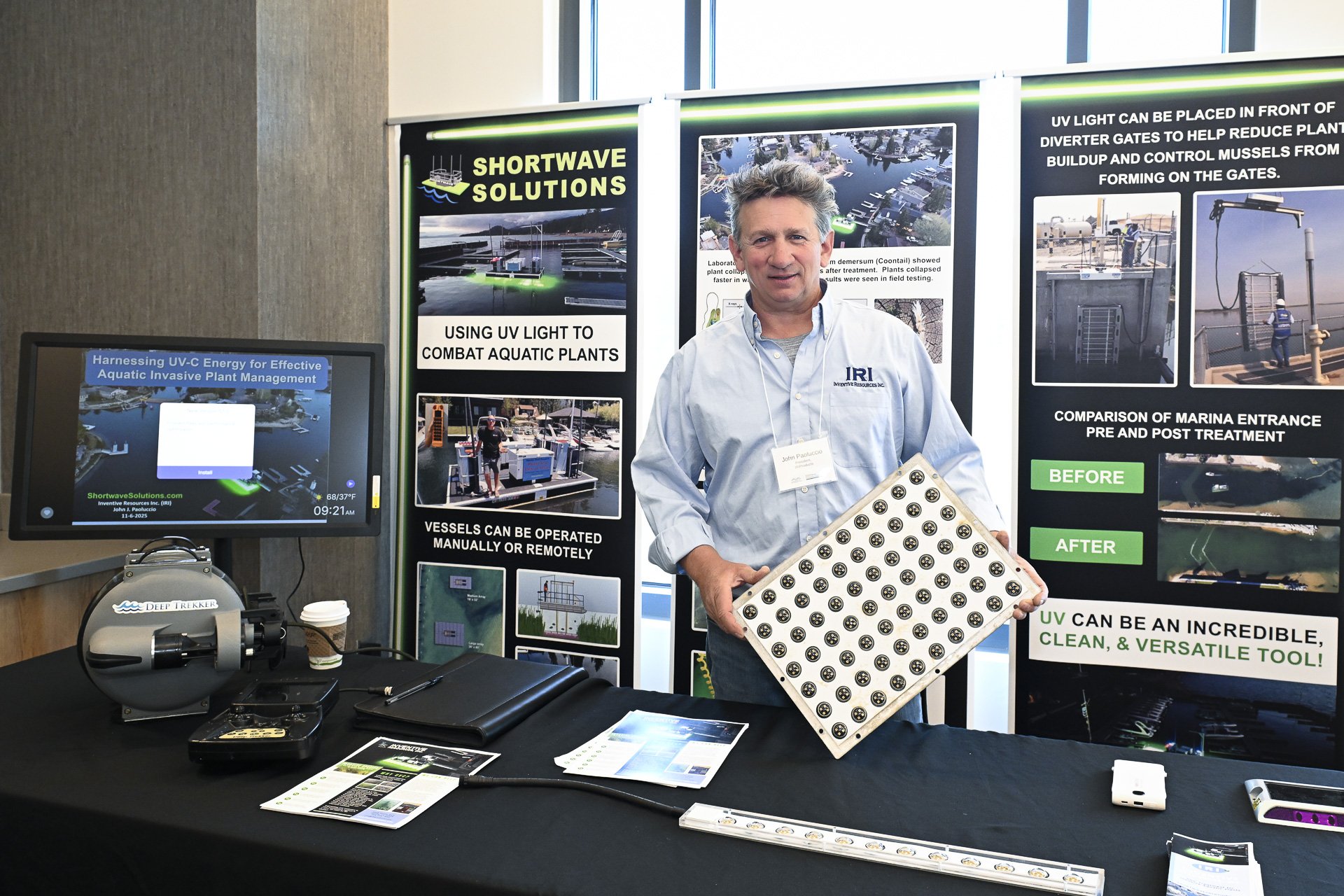
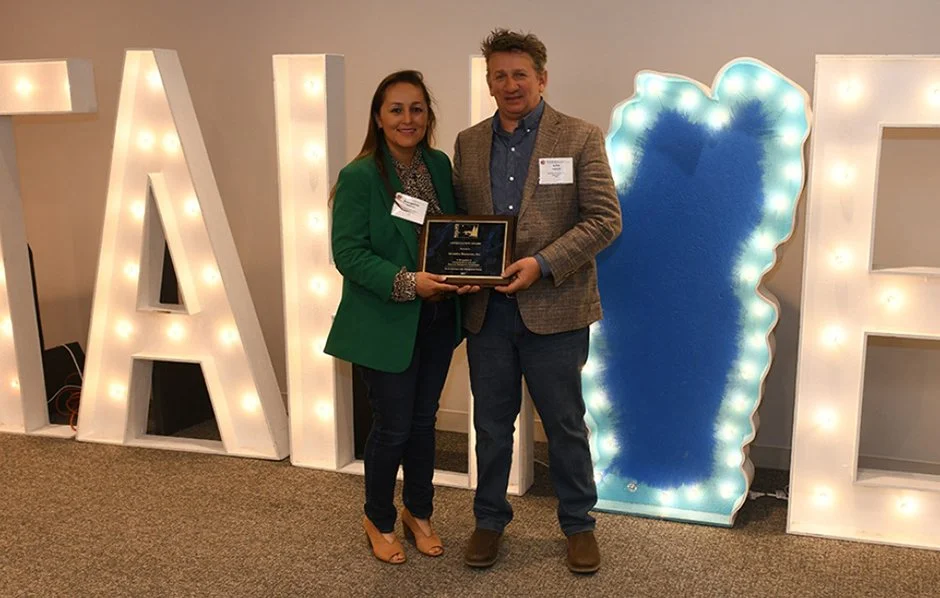
On May 7, Inventive Resources joined more than 130 regional leaders, entrepreneurs, and community members at the Tahoe Blue Event Center for the 2026 Tahoe Economic Summit, hosted by the Tahoe Prosperity Center.
Thank you!


Lake Tahoe, 2024
We are proud to share that Inventive Resources, Inc. has been recognized with an Appreciation Award for Advancements in Lake Management Techniques, nominated by Todd Tietjen of the Southern Nevada Water Authority for the work we do within the scope of ShortwaveSolutions™ Engineering Solutions.
Our team is deeply honored to be acknowledged for our work in Lake Tahoe and beyond. Thank you to everyone who has supported our mission. We’re just getting started!
Can UV Light Combat Aquatic Invasive Weeds in lake Tahoe?
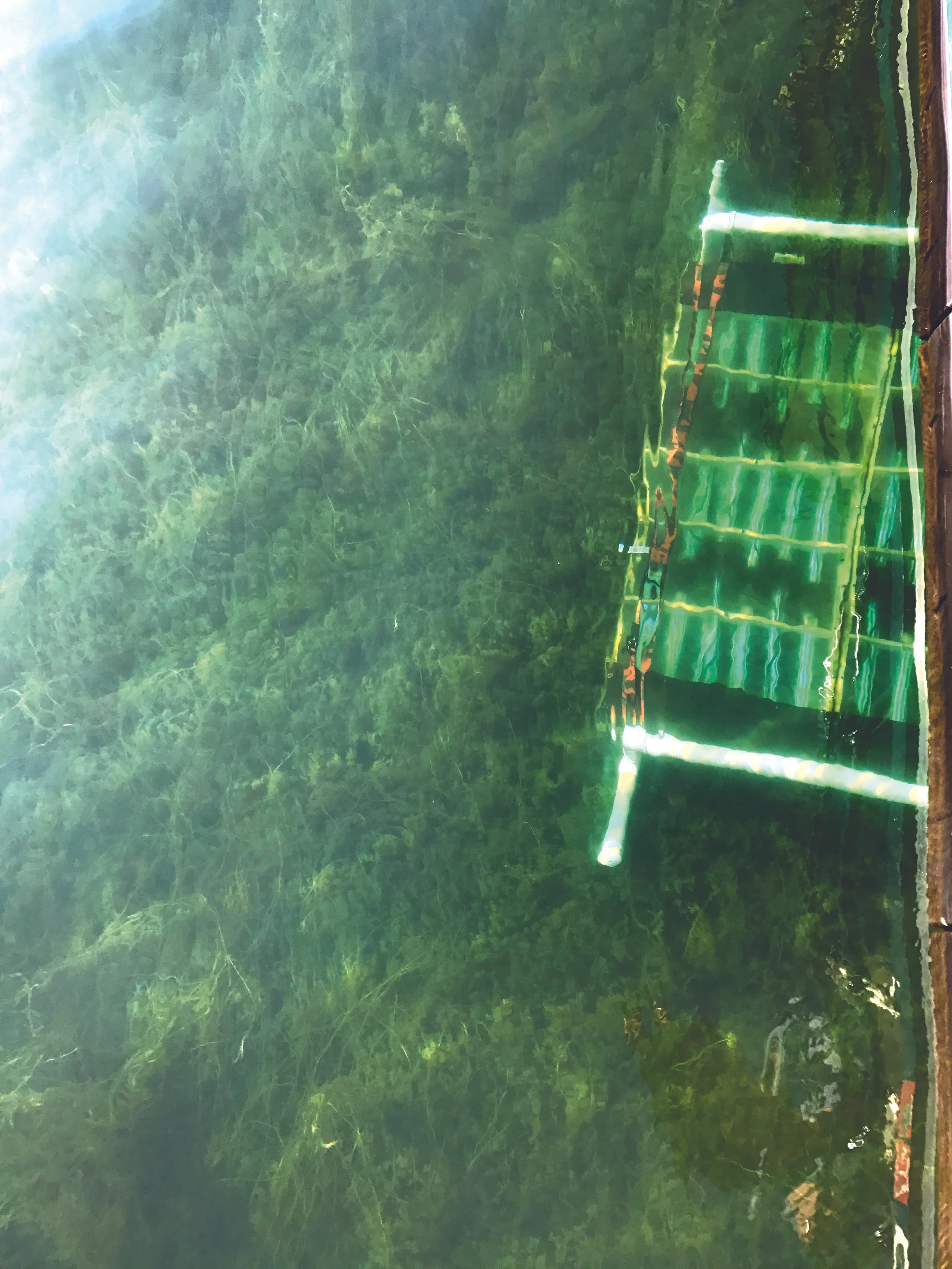
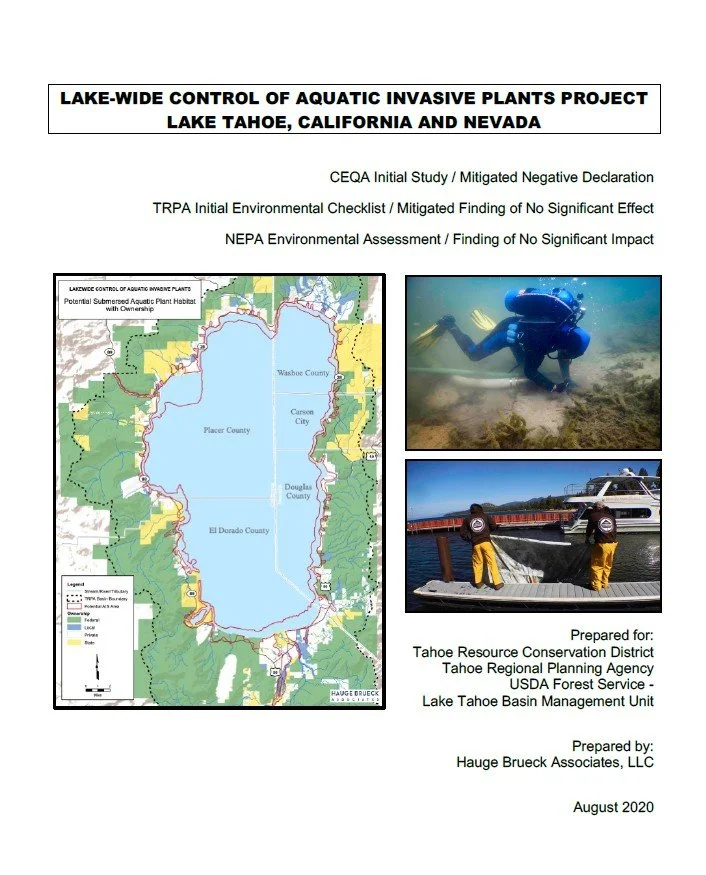
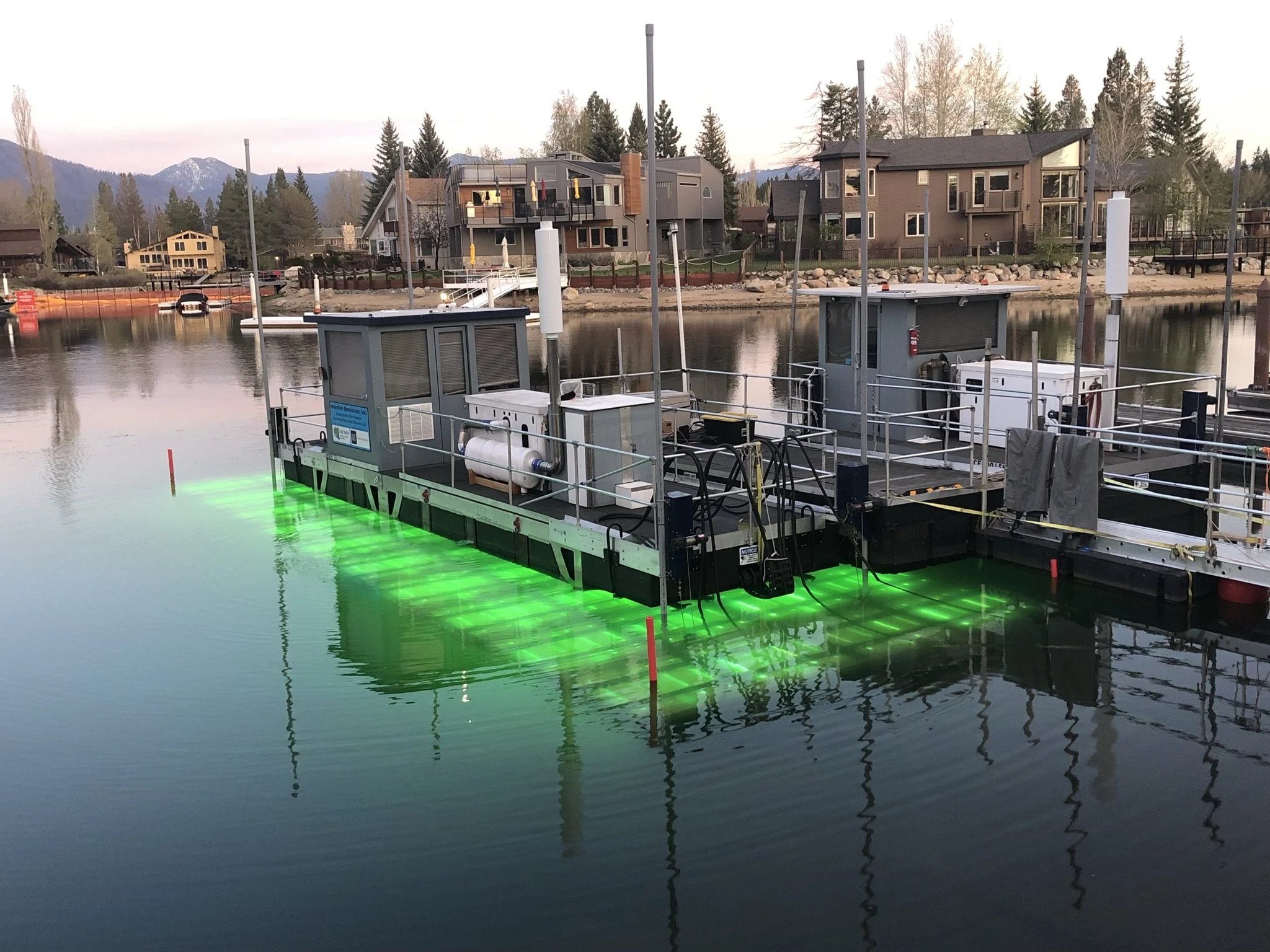
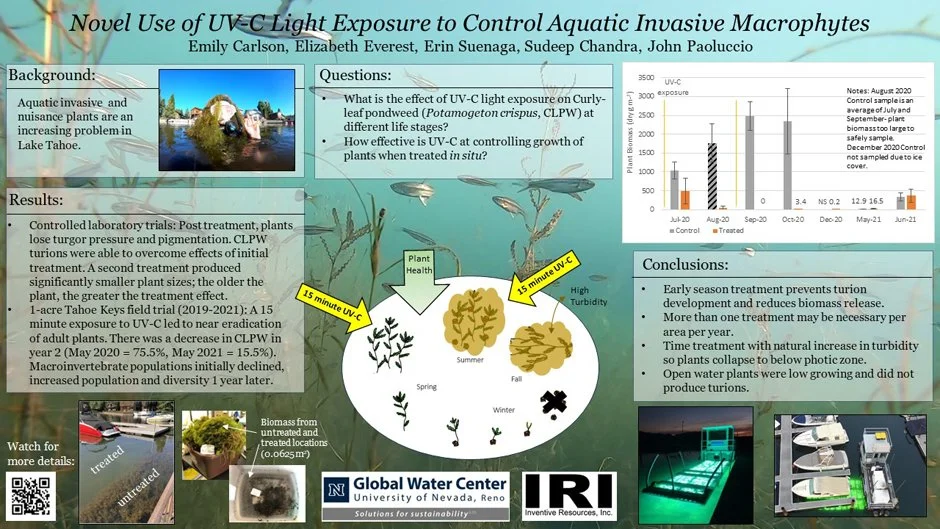
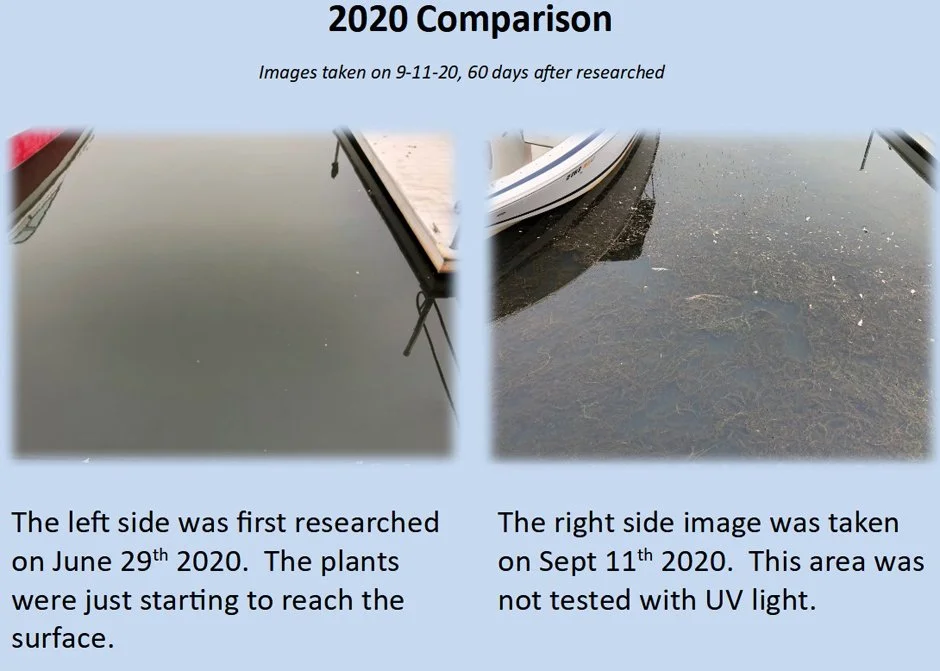
At Inventive Resources, Inc., we were honored to assist TRCD in a pilot program to deploy UV-C light technology to manage Aquatic Invasive Plants (AIP) through our specialized vessel operations. By deploying light arrays that emit short-wave directly onto vegetation, we disrupt plant DNA to stop cellular replication, achieving effective control without harming the lakebed or sediment. Operational data shows that UV-C treatment causes a negligible temperature increase of less than 0.125°F. This treatment process requires 5 to 20 minutes of exposure per grid, depending on plant density, and results demonstrated a successful long-term reduction in invasive species and a promising recovery of native plant populations, per TRCD.
Read the full report at Tahoe Resource Conservation District. Our contributions are covered beginning on page 47.
TRPA’s
Aquatic
Invasive
Species
Control
Efforts
Once invasive species enter the ecosystem they crowd out native populations, impair habitats and water quality, and reduce recreational opportunities. TRPA oversees projects that reduce and eradicate populations of invasive aquatic weeds, asian clams, non-native fish, bullfrogs, or other identified species. Projects also include pilot projects and the rapid response to new locations of AIS infestations to prevent further spread.
Visit eip.laketahoeinfo.org/EIPActionPriority to learn more about current and past projects.
TRPA and its partners have embarked on a goal of significantly reducing aquatic invasive species throughout the region over the next 10 years, as described in the Lake Tahoe AIS Control Action Agenda (Summary and complete document).
The Lake Tahoe Aquatic Invasive Species Program Implementation Plan lists the Tahoe Keys lagoons as the highest priority areas for control of AIS in Lake Tahoe. Learn more about solutions to control weeds in the Tahoe Keys by visiting https://tahoekeysweeds.org/
Innovative tools are an important component of controlling AIS in Lake Tahoe. The use of Ultraviolet-C light (UV-C) has been pioneered in Lake Tahoe and the results of the second pilot have helped identify treatment protocols for the Tahoe Keys Lagoons Aquatic Weed Control Methods Test. Results of the second pilot test can be found in the 2021 Final Monitoring Report UV-C Light Aquatic Invasive Plant Control Pilot Project (and Appendices).


Follow our journey.